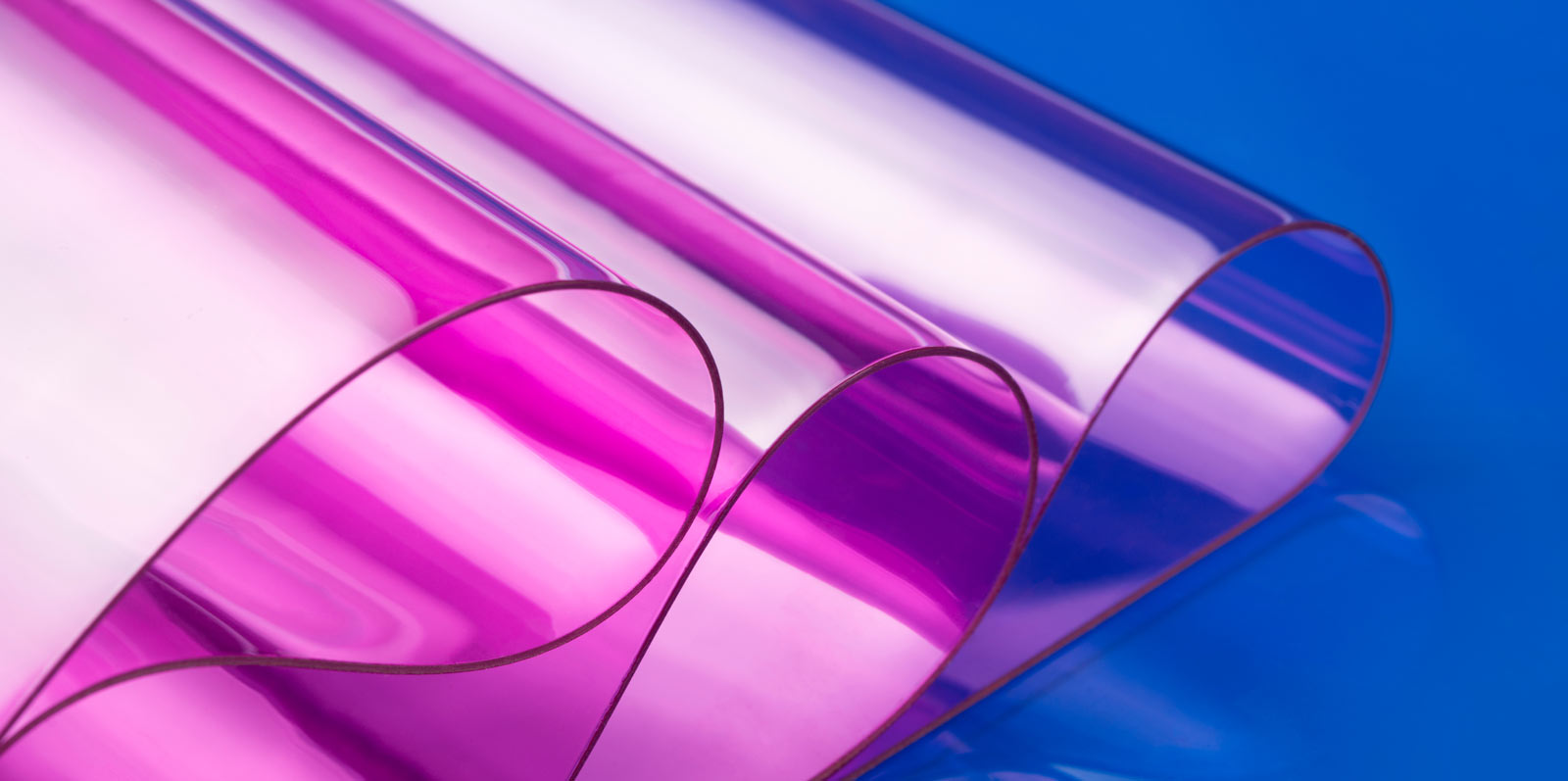
PVC soft (flexible PVC) is produced by adding plasticizers or softeners and is designed for a wide range of applications with specific requirements. This material contains 15 to 55 percent plasticizer; using less than 15 percent will result in brittleness of the final product. In the formulation of soft PVC, suspension PVC with a K-Value between 60 and 65 is used, and the higher the K-Value, the better the mechanical strength of the final product. To stabilize these compounds, calcium/zinc, barium/zinc, barium/cadmium/zinc, and barium/lead compounds in various forms such as powder, paste, or liquid are used. Additionally, organic phosphites and epoxy compounds act as auxiliary stabilizers, playing a significant role in enhancing the quality of these compounds.

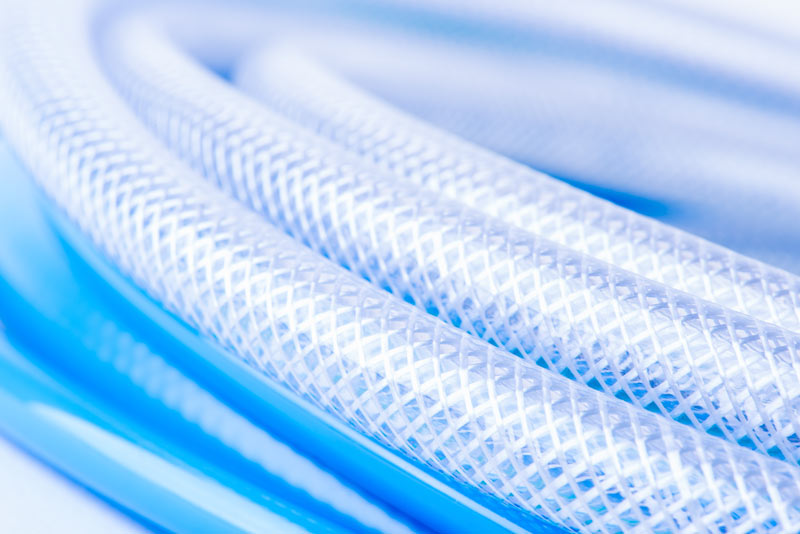
The diverse applications of soft PVC make it an ideal material for the production of flexible products. Flexible hoses and pipes are among the common applications of this material. After production, these hoses are covered with a layer of reinforced fibers followed by a soft PVC layer, which gives them high wear resistance. In the case of soft sheets and films, PVC is used for coating water and liquid tanks, dam insulation, and the production of items such as transparent sheets, tablecloths, and covers. The calendaring process for producing continuous soft PVC films also covers a significant portion of the production of this material’s foils.
Shoe industries are also a key area for soft PVC usage. This material is used for producing shoe soles, boots, and sandals, especially through the injection molding process. Additionally, combining soft PVC with other polymers to produce products with optimized properties is common in this field. Furthermore, plastisols, a mixture of PVC resin in plasticizer, facilitate easy molding and the production of various parts such as synthetic leather, flooring, gloves, toys, and automotive components.
These features make soft PVC an unmatched option for industries that require flexibility, mechanical resistance, and high processability. With optimized formulations and stabilizer additives, the applications of this material continue to expand, and its role in industry and everyday life is becoming increasingly important.